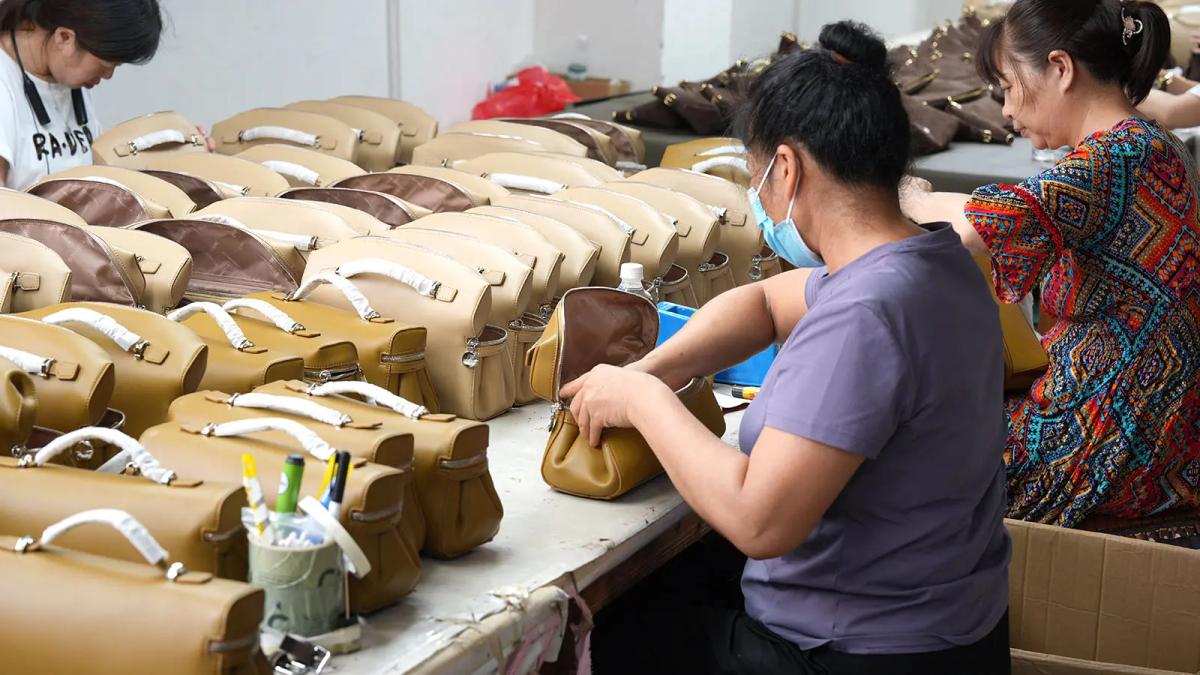
The Ultimate Guide to Bag QC in China: AQL Standards & Avoiding Factory Traps
When your mass production of bags finishes in China, a professional inspection is your final defense against unsellable inventory. Whether you buy directly from a factory or through a trading company, securing product quality requires strict adherence to the AQL (Acceptable Quality Limit) standard, independent random carton sampling, and ironclad pre-inspection agreements. Relying blindly on factory-provided samples or unverified third-party reports is the fastest way to compromise your brand.
1. The Data-Driven Foundation: Understanding AQL Standards
Before sending anyone to the factory floor, your Purchase Order (PO) must define the exact inspection criteria. The global standard for bag manufacturing is the AQL system (derived from ISO 2859-1).
AQL does not promise zero defects; rather, it determines the statistical threshold for an unacceptable batch. Most consumer goods default to General Inspection Level II.
Ensure your PO strictly defines these three defect categories:
- Critical Defects (AQL 0): Safety or legal hazards (e.g., sharp rivet edges, toxic chemicals). The acceptable limit is strictly zero.
- Major Defects (AQL 2.5): Flaws a consumer will immediately notice or that shorten the bag's lifespan (e.g., incorrect hardware plating, skipped stitches).
- Minor Defects (AQL 4.0): Slight visual imperfections that do not affect functionality or sales (e.g., minor edge-paint unevenness within tolerance).
The AQL Math in Action: If you order 1,500 bags, Level II dictates a random sample size of 125 units. Under AQL 2.5, if the inspector finds 7 major defects, the batch passes. If they find 8, the entire batch fails.
2. Scenario A: Managing Direct-to-Factory Inspections
When buying directly from a Chinese manufacturer, you will likely hire a third-party QC firm (like SGS, TUV) or an independent inspector. You must strictly control two variables:
- The "Golden Carton" Trap: Never allow the factory to pre-stage or select the cartons for inspection. Factories often cherry-pick the highest-quality bags and place them conveniently at the front. Rule: Your inspector must personally pull cartons from the bottom, middle, and corners of the warehouse based on the final packing list.
- The Compromised Inspector Risk: In the real-world manufacturing ecosystem, some third-party inspectors may accept "red envelopes" (kickbacks) or lavish meals from the factory. As a result, they might overlook Major or Minor defects to pass a failing batch (though they rarely ignore Critical defects due to liability).
- The Fix: Do not just rubber-stamp the final PDF report. Cross-reference the photos with the written notes. If you sense inconsistencies, hire a dedicated, locally-based Sourcing Agent who acts exclusively as your "boots on the ground."
3. Scenario B: Inspections Through a Trading Company
If you place your order through a Manufacturer-Trading Combo or a pure trading company, they absorb the QC burden. However, you cannot operate blindly.
- Demand On-Site Verification: The trading company's merchandiser must visit the sub-contractor's factory in person. They must follow the same randomized sampling rules.
- Audit the Internal Report: Professional trading companies perform their own inline and pre-shipment inspections. Demand this internal QC report before the goods ship to verify their diligence.
4. Pre-Inspection Alignment: 4 Rules to Prevent Disputes
To prevent endless arguing after a failed inspection, establish these parameters before mass production begins:
- Color Standards: Agree on the physical signature color swatch and the specific light source used for comparison (typically D65).
- Hardware Finish: Keep approved physical samples of zippers and buckles on hand for both parties.
- Measurement Tolerances: Define exactly where width and height are measured, and the acceptable +/- tolerance in centimeters.
- Inspection Timing: Agree whether the inspection happens when goods are 80% packed or 100% packed, and dictate who pays for re-inspections if the first one fails.
5. What If the Batch Fails?
A failed inspection is a decision point, not a disaster. You generally have four hardline options:
100% Sorting: The factory opens every carton and removes all defective units.
Rework: The factory repairs the affected components.
Discount: You accept the batch (minus critical defects) at a negotiated financial penalty.
Replacement: The factory remakes the defective bags (Note: replacing hardware or linings can delay shipping by weeks, so confirm material specs early).
FAQ
Q: Why can't I allow the factory to select the sample cartons for the inspector?
A: Allowing the factory to pick the cartons completely invalidates the statistical integrity of the AQL standard. Factories will naturally select the "golden samples" they know are defect-free, hiding the actual average quality of the mass production hidden in the back of the warehouse.
Q: How do I know if my third-party QC inspector has been compromised by the factory?
A: Look for discrepancies in the inspection report. If the photos show obvious stitching errors or hardware scratches, but the inspector marked the batch as "Passed" with zero major defects, it is a massive red flag. To mitigate this, rotate inspection agencies periodically or hire a dedicated local sourcing agent whose compensation is tied to your long-term success, not a one-off gig.
Q: Should I inspect the bags during production or wait until they are fully packed?
A: If you are working with a new factory or producing a complex design, conduct a DUPRO (During Production) inspection when 20% of the goods are finished. This catches systemic errors early. For repeat orders with trusted suppliers, a standard FRI (Final Random Inspection) when goods are at least 80% packed is usually sufficient.