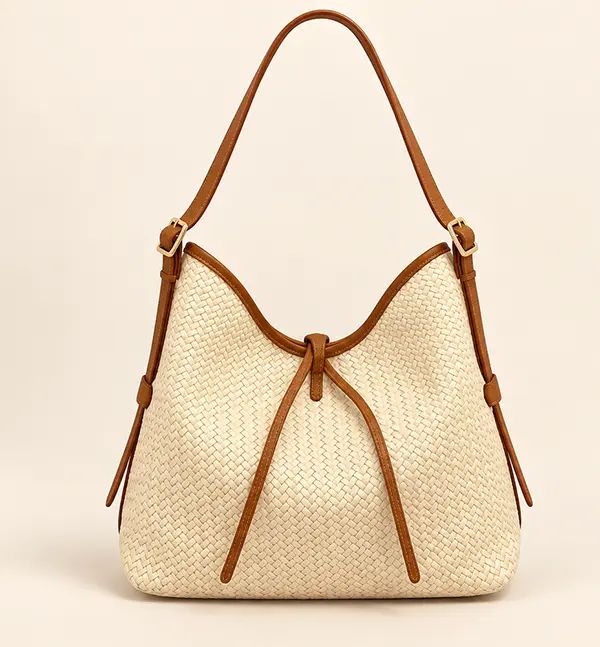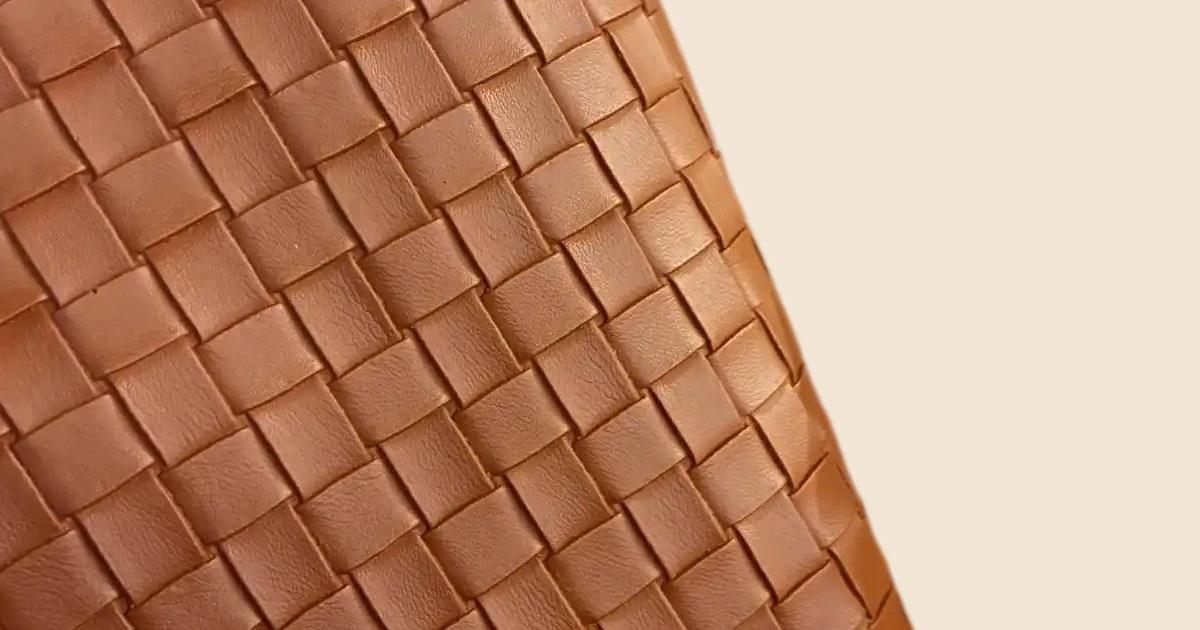
Decoding Embossed Woven-Look PU: Manufacturing Processes and Material Advantages for Bag Sourcing
For handbag brands and sourcing managers, capturing the highly sought-after "woven aesthetic" without the inherent quality control nightmares of traditional straw or woven fabrics has always been a challenge. Real woven materials are notorious for fraying, snagging, color inconsistency, and high defect rates during mass production.
Enter Embossed Woven-Look PU (Faux Woven PU).
By leveraging advanced synthetic leather manufacturing techniques, factories can now permanently replicate deep, 3D woven textures onto an eco-conscious PU resin surface. For buyers evaluating material options, understanding how this material is made is crucial to making informed sourcing decisions. Here is a technical breakdown of the two core production processes and the strategic advantages they offer.
How It’s Made: The Two Core Manufacturing Processes
The authenticity of the woven look and the tactile feel of the final product depend heavily on the embossing technology used. Industry-standard production relies on two primary methods:
1. Heated Roller Embossing (The Mainstream Standard)
This is the most widely adopted process, ideal for creating deep, highly defined 3D textures (such as woven patterns or crocodile prints).
- The Process: Production begins with a smooth, semi-finished PU synthetic leather base. This flat material is fed into a heavy-duty embossing machine equipped with a high-temperature, laser-engraved metal roller bearing the intricate woven pattern.
- The Mechanics: Under intense heat and massive mechanical pressure, the PU resin surface softens and undergoes plastic deformation. The woven texture on the metal roller is physically stamped and permanently set into the PU surface. It then immediately passes through cooling rollers to solidify the 3D structure.
2. Release Paper Transfer Coating (For Premium & Soft-Touch PU)
This technique is favored for high-end PU leathers requiring finer, more delicate textures and an exceptionally soft hand-feel.
- The Process: Instead of a metal roller, this method utilizes specialized "Release Paper" that already features the negative imprint of the woven texture.
- The Mechanics: Liquid PU resin is evenly coated directly onto the textured release paper, filling in the microscopic grooves of the pattern. After the resin is baked and cured into a solid film, an adhesive is applied, and a backing fabric (such as canvas or non-woven fabric) is laminated to it. Finally, the release paper is peeled away. Because the PU resin cured inside the paper's texture, the woven pattern is flawlessly "molded" and transferred to the surface of the leather.
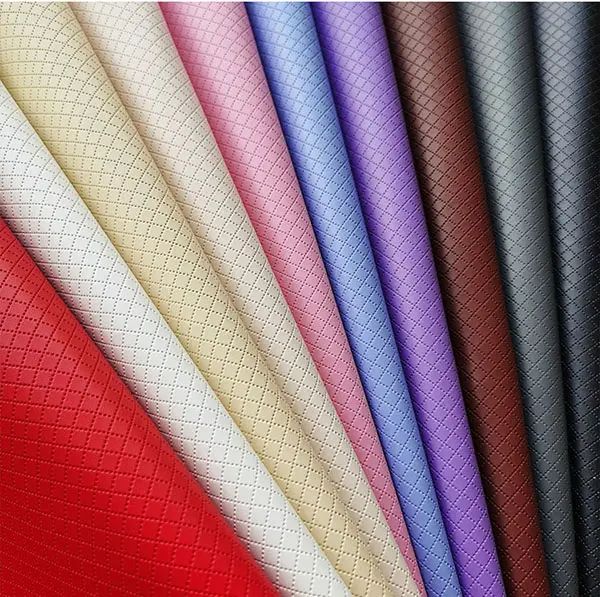
Why Brands are Switching to Embossed Woven PU
Choosing faux woven PU over traditional woven materials is not just a cost-saving measure; it is a strategic upgrade in product performance and scalability.
- Zero Fraying and Structural Integrity: Unlike traditional straw or pure woven fabrics, embossed PU is a solid, unified surface. This monolithic construction completely eliminates the risks of fraying (unraveling threads), snagging, and structural deformation. The pattern depth remains incredibly stable, ensuring the bag holds its shape through years of use.
- Weatherproof and Low Maintenance: Real woven materials are highly susceptible to moisture, mold, and staining. Faux woven PU features a non-porous resin surface, giving it exceptional water-resistant and stain-resistant properties. It easily wipes clean, making it highly appealing to the modern end-consumer.
- Ultimate Scalability and Batch Consistency: Natural woven materials suffer from severe color variation between batches due to dye absorption differences. Embossed PU guarantees absolute color matching and texture consistency from the first sample to a 10,000-piece volume order. This predictability makes it the ideal platform for repeatable seasonal capsule drops.
Frequently Asked Questions (FAQ)
Q: Will the embossed woven texture fade or flatten over time? No. Because the texture is created through high-heat plastic deformation (in Roller Embossing) or physical molding (in Transfer Coating), the 3D pattern is permanently set into the resin memory. It will not flatten under normal daily wear, weight, or temperature fluctuations.
Q: Which process should I specify for my handbag line? If your design requires a highly structured, deep, and dramatic woven look (like thick leather weaves), Heated Roller Embossing is the optimal choice. If your silhouette is a slouchy hobo or requires a buttery-soft drape with a fine micro-weave, specify the Release Paper Transfer Coating method.
Q: How does faux woven PU impact my production lead times? It significantly accelerates production. Traditional woven materials often require manual alignment, cutting with specialized tools to prevent unraveling, and high defect sorting. Embossed PU comes in standard continuous rolls, allowing for automated, high-speed die-cutting and standard machine stitching, drastically reducing your factory lead times and labor costs.